What a Brand Foundation Actually Is (And Why Most Brands Skip It)
Most brands mistake a logo and a brand book for a foundation. A real foundation is the system that holds the standard when the founder is not in the room.
Date
/
Category
Branding
The brand was cohesive when it was small. The founder made every decision. The tone was consistent because one person held the standard. The visuals felt right because one person approved every image.
Then the team grew. New hires arrived. Agencies were brought in. Channels multiplied. And slowly, the thing that made the brand feel like something started to drift. Social posts looked different depending on who made them. The website said one thing, the pitch deck said another. The team asked "is this on brand?" and nobody could answer with confidence.
This is the most common pattern we see in brands that come to us. Not failure. Growth. The brand outgrew the rules behind it, and nobody noticed until the inconsistency was already visible to the audience.
What they usually need is not a rebrand. It's a foundation.
A Foundation Is Not a Brand Book
This distinction matters because it changes what you invest in and what you expect from the investment.
A brand book is a deliverable. It contains a logo, a colour palette, typography rules, and some usage guidelines. It is useful. It is also not enough. Most brand books sit in a shared drive and get opened twice: once when they arrive and once when someone new joins the team. Within six months, the shortcuts start. Within a year, the brand looks like it did before the project.
A foundation is the system underneath the brand book. It includes the positioning: why this brand exists and who it is for. The messaging architecture: what the brand says and how it says it. The visual identity: the design system that makes the brand recognizable. And the implementation plan that tells the team how to use all of it without routing every decision through the founder.
The difference is operational. A brand book gives rules. A foundation gives rules, reasons, and a system for maintaining them. The rules alone are not enough because people break rules they don't understand. When the team knows why a colour was chosen and what the positioning protects, they make better decisions on their own. Understanding the reasons behind the rules is what makes them stick.
The Real Problem We Solve
Most brands that reach out to us describe the symptom first. "We need a new look." "Our content is inconsistent." "We did a rebrand and it didn't stick."
The symptom is real. But the problem underneath is almost always the same. There is no strategic foundation holding the brand together. The visual identity exists. The messaging was written once. But nothing connects them into a system that the team can follow independently.
We see this pattern across very different businesses. A family brand with three generations of craft tangled together. Nobody could see which entity needed to stand alone and which needed to share a foundation. A wellness brand that had beautiful content but no strategic brief behind it. Every shoot produced images that looked good individually but told no story together. A practice founder running three separate brands from the same desk, each speaking a different language to the same audience.
In every case, the surface looked fine. The architecture underneath was missing.
What a Foundation Contains
A brand foundation built to last includes five connected layers. Not five separate documents. Five layers that reference each other and hold together when the team is making decisions without the founder in the room.
Positioning. The statement of why the brand exists, who it serves, and what it offers that nobody else does. This is not a tagline. It is the strategic anchor that every other decision tests against. When a team member asks "should we do this?" the positioning gives the answer.
Messaging architecture. The hierarchy of statements that communicate the brand's promise across different contexts. Not one message repeated everywhere. A system of messages calibrated for different audiences, stages, and channels. The homepage says something different from the proposal, but both draw from the same strategic foundation.
Visual identity system. Colour, typography, photography direction, layout principles, and the rules governing their use. The word "system" matters. Individual design choices are not enough. The system defines how those choices work together across every touchpoint, from a social post to a storefront.
Brand guidelines. The practical document that translates everything above into daily use. It should be actionable, not decorative. If a new hire cannot use the guidelines to make a brand decision without asking the founder, the guidelines are not finished.
Implementation roadmap. The plan for rolling out the foundation across existing touchpoints, training the team, and building accountability for consistency. Without this layer, the other four become a shared drive folder that nobody opens after month one.
Why the Rebrand Didn't Stick
This is the question we hear most often. "We invested in branding before and it didn't change anything."
When we look at what happened, the answer is usually the same. The previous engagement delivered outputs without the strategic layer or the implementation support to make them stick. A logo was designed. A palette was chosen. A brand book was produced. But nobody built the positioning. Nobody wrote the messaging architecture. Nobody created the system that connects the visual identity to the strategy. And nobody stayed to make sure the team could follow the rules after the project ended.
Files without a system behind them are decorative. They look professional in the shared drive. They do not change how the team makes decisions. That is why the investment felt wasted and why skepticism about branding as a discipline is understandable.
The fix is not more files. It is a foundation that connects strategy to execution and a standing partnership that catches drift before it compounds.
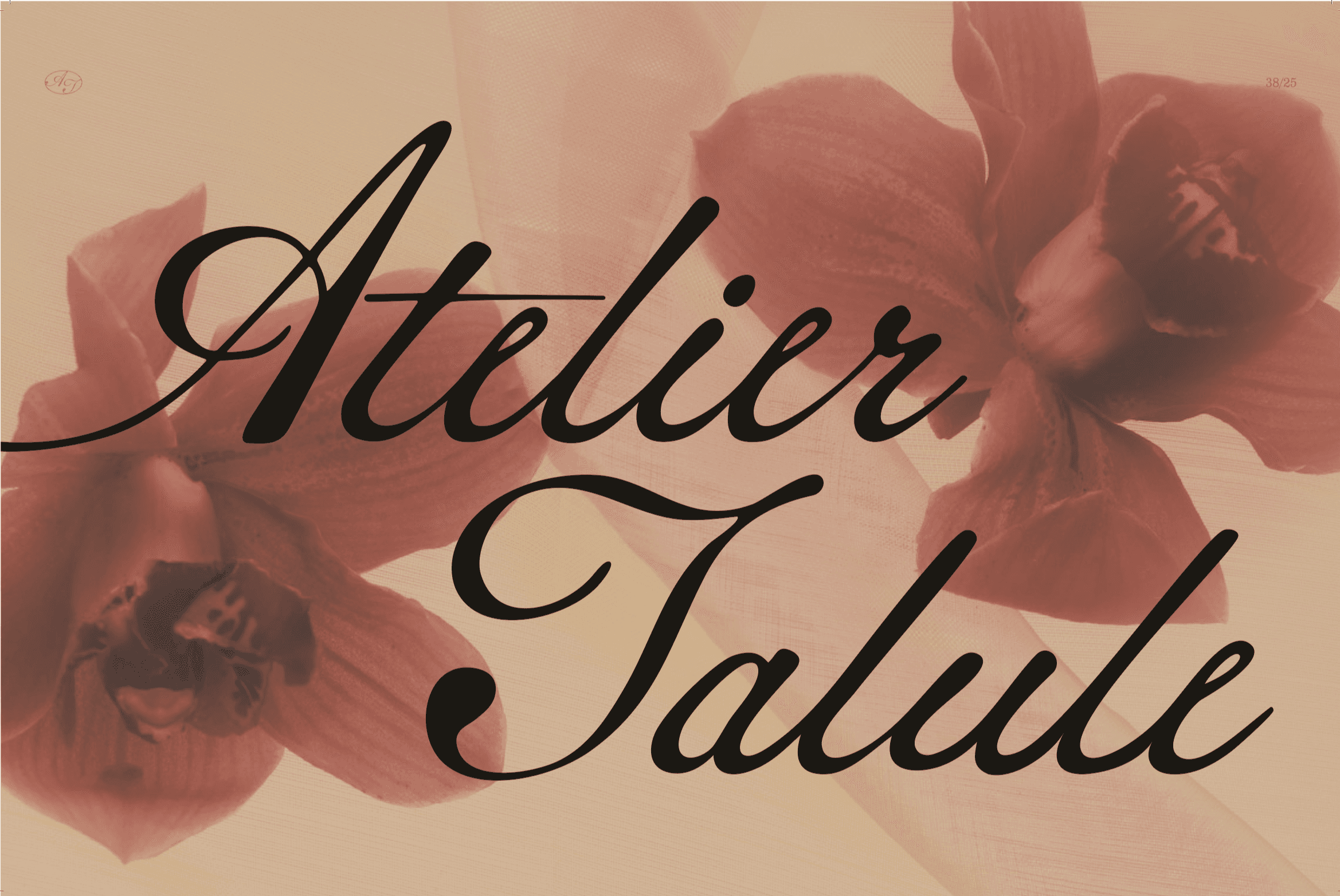
When we built the brand foundation for Atelier Talule, the engagement began with architecture, not design. Three generations of culinary craft needed a strategic framework before any visual work could begin. We separated two entities that had been tangled together, built a shared foundation for both, and produced the first work under those rules. The brand book was one deliverable among many. The system it lived inside was the actual product.
When You Need a Foundation (Not a Facelift)
A facelift refreshes the surface. New colours, new fonts, new website design. It feels good for a few months. But if the problem is structural, the surface change does not solve it.
You need a foundation when:
The team cannot make brand decisions independently. Every approval routes through one person. That person is tired and the team is waiting.
Growth is creating inconsistency. New hires interpret the brand differently. New channels expose gaps. The brand looks different depending on who touched it last.
The last branding project delivered files but not a system. The brand book exists but the team does not use it because it tells them what the brand looks like, not why.
Content production is expensive but underperforming. Shoots produce images that are technically good but strategically empty. The gallery looks like the category, not the brand.
These are not failures. They are the natural consequence of growing without a system. Recognizing the pattern is the first step toward building one.
How This Work Begins
We start with a strategic diagnostic. Not a creative brief. A diagnostic that identifies the real problem, not just the one described in the first email. We map the brand architecture, clarify the positioning, and build the messaging framework before any visual or production work begins.
From there, we build the visual identity system and produce the first content under the new rules. Then, for the brands that want continuity, we stay. We review content, advise on new initiatives, and protect the thread between the original foundation and daily execution.
The work is not a project with a start and end date. It is a partnership that builds over time. The foundation is the starting point. What follows depends on what the brand needs to grow without losing the thing that made it worth building.
If something we described here sounds familiar, that is where we begin.
The brand was cohesive when it was small. The founder made every decision. The tone was consistent because one person held the standard. The visuals felt right because one person approved every image.
Then the team grew. New hires arrived. Agencies were brought in. Channels multiplied. And slowly, the thing that made the brand feel like something started to drift. Social posts looked different depending on who made them. The website said one thing, the pitch deck said another. The team asked "is this on brand?" and nobody could answer with confidence.
This is the most common pattern we see in brands that come to us. Not failure. Growth. The brand outgrew the rules behind it, and nobody noticed until the inconsistency was already visible to the audience.
What they usually need is not a rebrand. It's a foundation.
A Foundation Is Not a Brand Book
This distinction matters because it changes what you invest in and what you expect from the investment.
A brand book is a deliverable. It contains a logo, a colour palette, typography rules, and some usage guidelines. It is useful. It is also not enough. Most brand books sit in a shared drive and get opened twice: once when they arrive and once when someone new joins the team. Within six months, the shortcuts start. Within a year, the brand looks like it did before the project.
A foundation is the system underneath the brand book. It includes the positioning: why this brand exists and who it is for. The messaging architecture: what the brand says and how it says it. The visual identity: the design system that makes the brand recognizable. And the implementation plan that tells the team how to use all of it without routing every decision through the founder.
The difference is operational. A brand book gives rules. A foundation gives rules, reasons, and a system for maintaining them. The rules alone are not enough because people break rules they don't understand. When the team knows why a colour was chosen and what the positioning protects, they make better decisions on their own. Understanding the reasons behind the rules is what makes them stick.
The Real Problem We Solve
Most brands that reach out to us describe the symptom first. "We need a new look." "Our content is inconsistent." "We did a rebrand and it didn't stick."
The symptom is real. But the problem underneath is almost always the same. There is no strategic foundation holding the brand together. The visual identity exists. The messaging was written once. But nothing connects them into a system that the team can follow independently.
We see this pattern across very different businesses. A family brand with three generations of craft tangled together. Nobody could see which entity needed to stand alone and which needed to share a foundation. A wellness brand that had beautiful content but no strategic brief behind it. Every shoot produced images that looked good individually but told no story together. A practice founder running three separate brands from the same desk, each speaking a different language to the same audience.
In every case, the surface looked fine. The architecture underneath was missing.
What a Foundation Contains
A brand foundation built to last includes five connected layers. Not five separate documents. Five layers that reference each other and hold together when the team is making decisions without the founder in the room.
Positioning. The statement of why the brand exists, who it serves, and what it offers that nobody else does. This is not a tagline. It is the strategic anchor that every other decision tests against. When a team member asks "should we do this?" the positioning gives the answer.
Messaging architecture. The hierarchy of statements that communicate the brand's promise across different contexts. Not one message repeated everywhere. A system of messages calibrated for different audiences, stages, and channels. The homepage says something different from the proposal, but both draw from the same strategic foundation.
Visual identity system. Colour, typography, photography direction, layout principles, and the rules governing their use. The word "system" matters. Individual design choices are not enough. The system defines how those choices work together across every touchpoint, from a social post to a storefront.
Brand guidelines. The practical document that translates everything above into daily use. It should be actionable, not decorative. If a new hire cannot use the guidelines to make a brand decision without asking the founder, the guidelines are not finished.
Implementation roadmap. The plan for rolling out the foundation across existing touchpoints, training the team, and building accountability for consistency. Without this layer, the other four become a shared drive folder that nobody opens after month one.
Why the Rebrand Didn't Stick
This is the question we hear most often. "We invested in branding before and it didn't change anything."
When we look at what happened, the answer is usually the same. The previous engagement delivered outputs without the strategic layer or the implementation support to make them stick. A logo was designed. A palette was chosen. A brand book was produced. But nobody built the positioning. Nobody wrote the messaging architecture. Nobody created the system that connects the visual identity to the strategy. And nobody stayed to make sure the team could follow the rules after the project ended.
Files without a system behind them are decorative. They look professional in the shared drive. They do not change how the team makes decisions. That is why the investment felt wasted and why skepticism about branding as a discipline is understandable.
The fix is not more files. It is a foundation that connects strategy to execution and a standing partnership that catches drift before it compounds.
When we built the brand foundation for Atelier Talule, the engagement began with architecture, not design. Three generations of culinary craft needed a strategic framework before any visual work could begin. We separated two entities that had been tangled together, built a shared foundation for both, and produced the first work under those rules. The brand book was one deliverable among many. The system it lived inside was the actual product.
When You Need a Foundation (Not a Facelift)
A facelift refreshes the surface. New colours, new fonts, new website design. It feels good for a few months. But if the problem is structural, the surface change does not solve it.
You need a foundation when:
The team cannot make brand decisions independently. Every approval routes through one person. That person is tired and the team is waiting.
Growth is creating inconsistency. New hires interpret the brand differently. New channels expose gaps. The brand looks different depending on who touched it last.
The last branding project delivered files but not a system. The brand book exists but the team does not use it because it tells them what the brand looks like, not why.
Content production is expensive but underperforming. Shoots produce images that are technically good but strategically empty. The gallery looks like the category, not the brand.
These are not failures. They are the natural consequence of growing without a system. Recognizing the pattern is the first step toward building one.
How This Work Begins
We start with a strategic diagnostic. Not a creative brief. A diagnostic that identifies the real problem, not just the one described in the first email. We map the brand architecture, clarify the positioning, and build the messaging framework before any visual or production work begins.
From there, we build the visual identity system and produce the first content under the new rules. Then, for the brands that want continuity, we stay. We review content, advise on new initiatives, and protect the thread between the original foundation and daily execution.
The work is not a project with a start and end date. It is a partnership that builds over time. The foundation is the starting point. What follows depends on what the brand needs to grow without losing the thing that made it worth building.
If something we described here sounds familiar, that is where we begin.
Latest Articles.
Thoughts, ideas, and perspectives on design, simplicity, and creative process.
What a Brand Foundation Actually Is (And Why Most Brands Skip It)
Most brands mistake a logo and a brand book for a foundation. A real foundation is the system that holds the standard when the founder is not in the room.
Date
/
Category
Branding
Date
Category
Branding